
Vietnam Tours For Australians
Your Australian gateway to authentic Vietnamese adventures
Just 8 hours from Australia, Vietnam is safe, affordable, and offers stunning beaches, incredible food, warm hospitality, and a rich culture that Aussies love.
Experience the best of Southeast Asia without flying to the other side of the world. Travel Vietnam is Australia’s trusted booking agent, delivering expertly planned tours with local guides and authentic experiences you’ll cherish.
Why Vietnam is perfect for Australian travelers

Close to home
- Just 8 hours flight time
- Direct flights from major cities
- Perfect for 10-18 day holidays

Incredible value
- Tours from $1,049 AUD pp
- Affordable luxury experiences
- More for less than Bali

All-in-one holiday
- Stunning beaches (Phu Quoc, Nha Trang)
- Rich culture and history
- World-class cuisine

Safe & welcoming
- Safe for all travelers
- Friendly, welcoming locals
- English widely spoken in tourist areas
How do you want to explore Vietnam?

Group Tours
✅ Daily departures
✅ Meet like-minded travelers
✅ Seat-In-Coach experiences
✅ 3, 4, or 5-star accommodation options
✅ All flights, hotels, transfers included
✅ Flexible yet organised
Most popular group tours:

Private Tours
✅ Completely flexible itineraries
✅ Private guide and transport
✅ Travel at your own pace
✅ Customised to your interests
✅ Perfect for families, couples, honeymooners
✅ Change plans anytime
Featured private tours:
Where you'll go in Vietnam
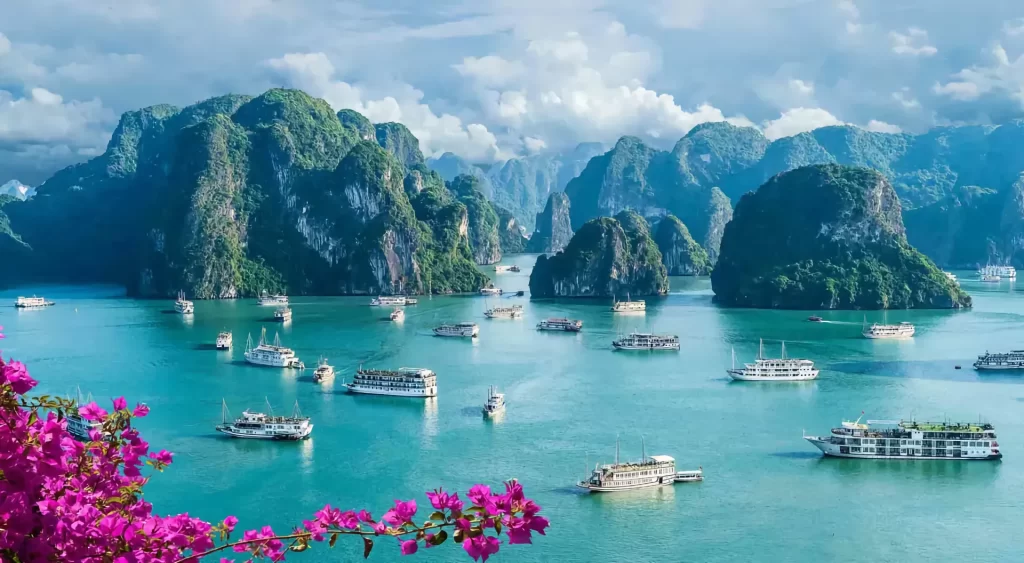
Halong Bay
UNESCO World Heritage Site with stunning limestone karsts rising from emerald waters. Overnight cruise experiences available.
✅ Included in: All North Vietnam tours
✅ Best time: Year-round, avoid July-September for weather

Ho Chi Minh City (Saigon)
Vietnam's vibrant southern hub with bustling markets, French colonial architecture, and incredible street food.
✅ Day trips: Cu Chi Tunnels, Mekong Delta
✅ Included in: All South Vietnam tours
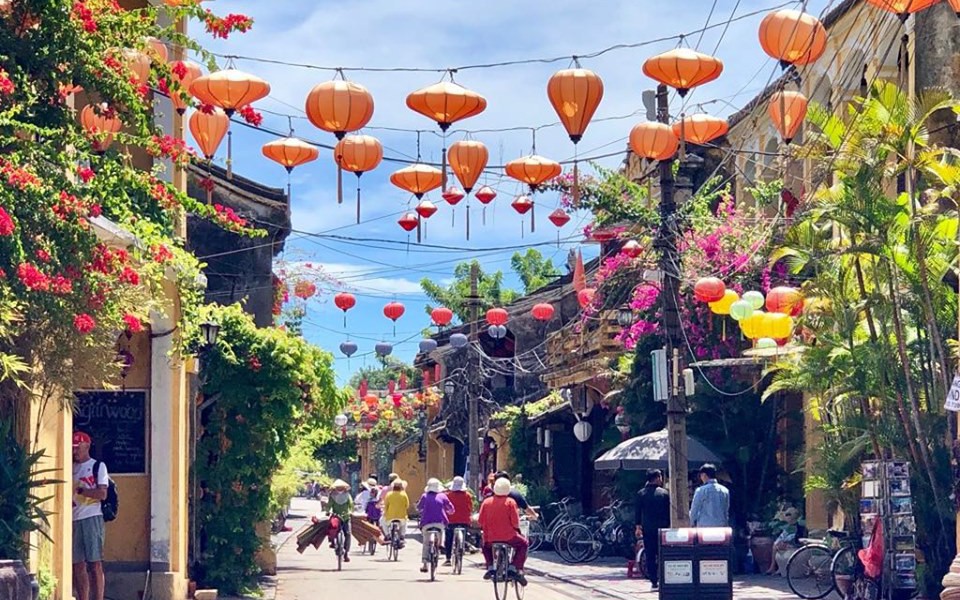
Hoi An
Ancient riverside town with lantern-lit streets, tailor shops, beautiful beaches, and authentic cooking classes.
✅ Included in: Most 10+ day tours
✅ Best time: February-August
Explore Hoi An - Vietnam’s UNESCO-listed Ancient Town
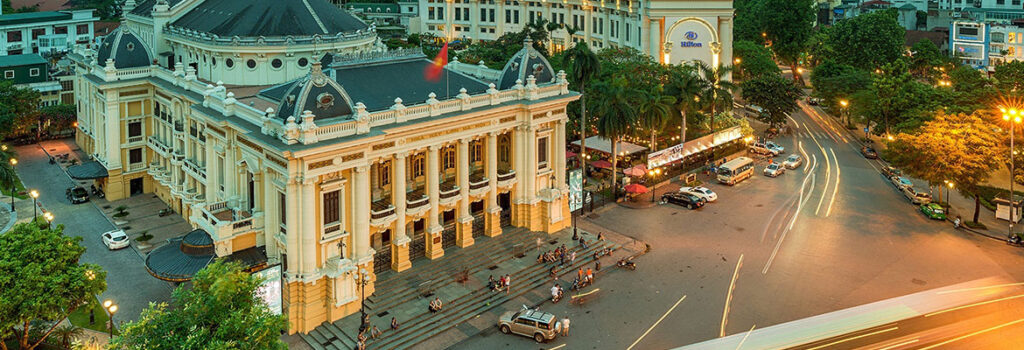
Hanoi
Vietnam's charming capital with thousand-year history, atmospheric Old Quarter, and legendary street food scene.
✅ Included in: Most 10+ day tours
✅ Best time: March-May, September-November
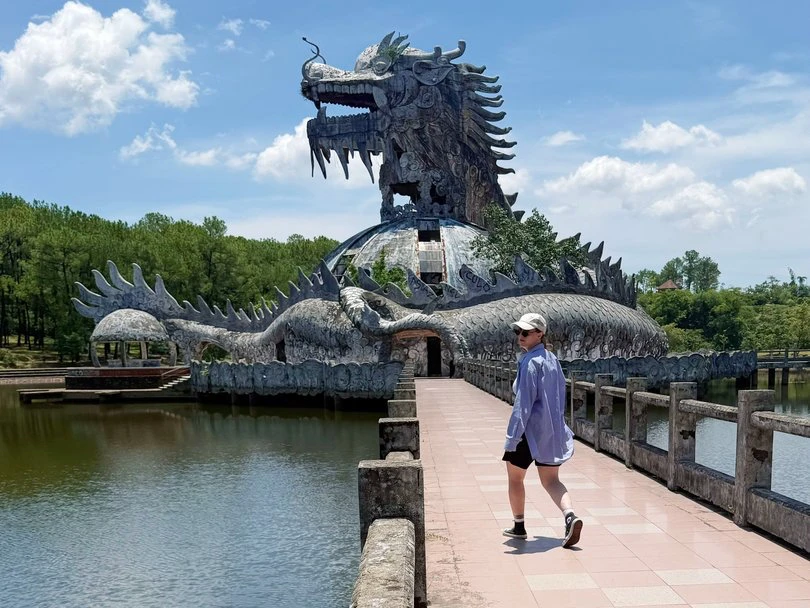
Hue
Former imperial capital with ancient citadel, royal tombs, and serene Perfume River.
✅ Included in: Multi-destination tours
✅ Best time: February-August
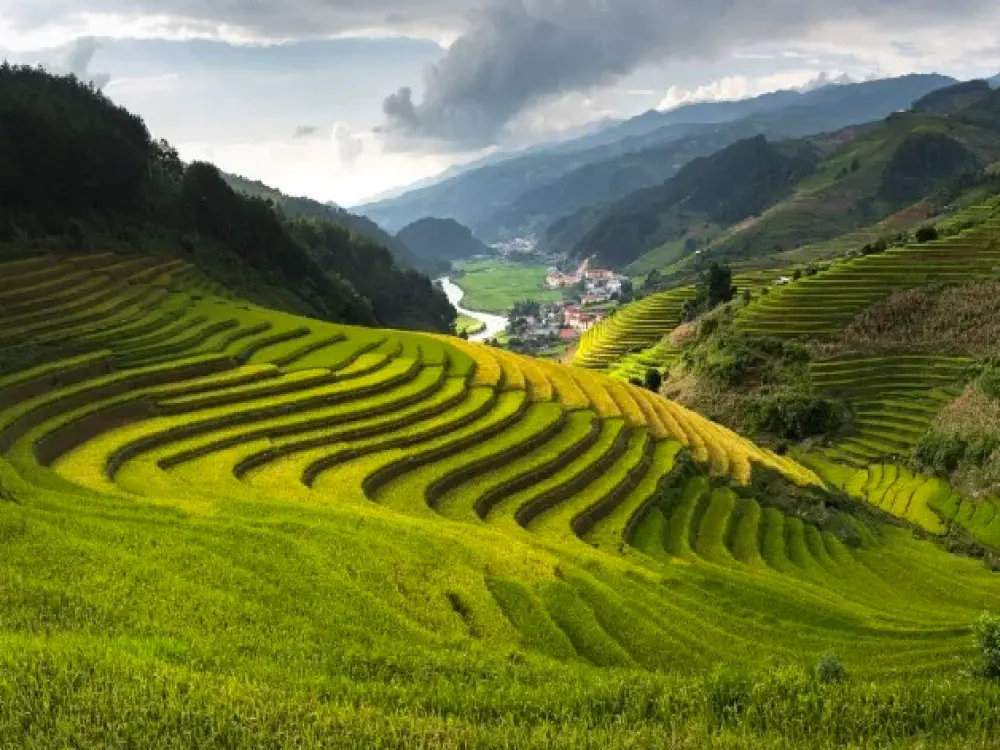
Sapa
Mountainous region with terraced rice fields, ethnic minority villages, and trekking adventures.
✅ Included in: Selected tours (GT04, GT05)
✅ Best time: September-November, March-May

Phu Quoc
Pristine island beaches, luxury resorts, and water activities. Vietnam's answer to tropical paradise.
✅ Available as: Extension option
✅ Best time: November-July
Discover Phu Quoc - Probably the best island holiday for families on earth
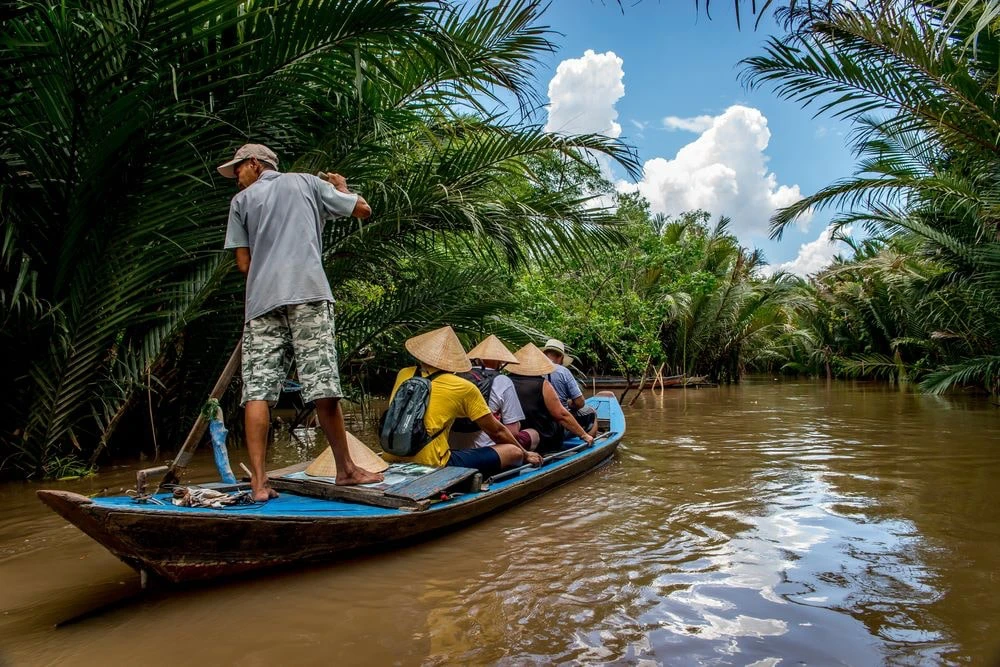
Mekong Delta
Floating markets, winding canals, and authentic rural Vietnamese life.
✅ Included in: South Vietnam tours
✅ Best time: Year-round
Explore beyond Vietnam

Vietnam & Cambodia tours
Featured tours:

Indochina grand tours
Featured tours:

Cambodia only tours
Featured tours:
What Australian travelers want to know
What is the best way to travel Vietnam?
It depends on what sort of trip you’re after.
Our group tours take care of all the logistics (flights, hotels, transfers, tours) whilst still giving you free time to explore on your own. You’ll meet other travellers on shared experiences like food tours or Mekong Delta trips, but you’re not stuck in a big coach group the whole time.
Private tours give you complete flexibility. You’ve got your own guide and driver, so you can change plans on the fly, spend longer where you want, and skip things that don’t interest you.
What's the best time to visit Vietnam?
The best time to visit Vietnam depends on which region you’re exploring, as the country stretches over 1,600km with different climate zones.
Generally, February to April and September to November offer the most pleasant weather across the country.
By region:
- Northern Vietnam (Hanoi, Halong Bay, Sapa): March to May and September to November – mild temperatures and less humidity
- Central Vietnam (Hoi An, Hue, Da Nang): February to May – warm, dry, and ideal beach weather
- Southern Vietnam (Ho Chi Minh City, Mekong Delta): December to April – dry season with sunny days
Typhoon season (July to November):
Central Vietnam is most affected by typhoons, particularly from September to November. During this period:
- Heavy rainfall and storms are possible, especially in coastal areas
- October and November see the highest risk
- Flooding can occur in cities like Hoi An and Hue
- Travel disruptions and beach closures may happen
If you’re planning to visit Central Vietnam, it’s best to go between February and August to avoid typhoon season.
When to avoid:
- June to August: Hot, humid, and rainy in much of the country (though still manageable)
- September to November: Typhoon risk in Central Vietnam
- Tet (Vietnamese New Year, late January/early February): Many businesses close, prices increase, and transport is crowded
The bottom line:
Vietnam is a year-round destination, but March to April offers the sweet spot for weather across all regions.
If you’re flexible, plan your itinerary around the regional climates, you can still have a fantastic trip outside peak season with the right expectations and preparation.
Is it safe to travel to Vietnam?
Yes, Vietnam is very safe for tourists and is one of the safest countries in Southeast Asia.
Vietnamese people are generally honest and helpful. You’ll find locals going out of their way to help if you’re lost or need directions.
Safety tips:
- Keep valuables secure in crowded markets and tourist spots
- Use reputable taxi companies (Grab app is reliable) or agree on prices beforehand
- Don’t leave bags unattended or hanging off the back of chairs
- Be cautious crossing roads (motorbikes are everywhere but they’ll avoid you)
- Dress modestly when visiting temples and rural areas
For women travelling alone: Vietnam is particularly safe. Harassment is uncommon, and local culture is quite conservative.
For families: Completely safe. Vietnamese people adore children and you’ll get extra help and attention.
Use the same common sense you’d use in any major city back home and you’ll have no problems. Millions of tourists visit Vietnam every year and have trouble-free experiences.
Are there direct flights from Australia to Vietnam?
Yes, several airlines fly direct from major Australian cities to Vietnam.
Direct flights:
- Vietnam Airlines: Sydney and Melbourne to both Ho Chi Minh City and Hanoi
- Qantas: Sydney and Melbourne to Ho Chi Minh City (seasonal)
- Jetstar: Melbourne and Sydney to Ho Chi Minh City, Hanoi, and Da Nang
Flight times:
- Sydney to Ho Chi Minh: About 8 hours
- Melbourne to Hanoi: Around 9 hours
- Brisbane to Ho Chi Minh: Roughly 8.5 hours
Connecting flights: If you’re not near Sydney or Melbourne, or want more schedule options, you can connect through Singapore (Singapore Airlines), Bangkok (Thai Airways), or Kuala Lumpur (Malaysian Airlines). These add a few hours but often work out cheaper.
We can help coordinate your flights with your tour dates to make sure everything lines up properly.
Does Vietnam offer visas on arrival?
Sort of, but it’s not quite the same as countries like Thailand where you just rock up and get stamped in.
Vietnam has a “visa on arrival” system, but you need to arrange an approval letter beforehand through a Vietnamese travel company or visa agent. When you land, you show the letter, fill in some forms, pay the stamping fee (around $25-50 USD in cash), and they issue your visa.
However, we’d recommend the e-visa instead. It’s simpler, you do it all online before you leave, and there’s no queuing at the airport when you arrive. Apply at immigration.gov.vn, pay around $25-50 USD, and you’ll have your visa approved within three business days. Then you just show it when you land.
Your passport needs to be valid for at least six months from when you enter Vietnam, and you’ll need a couple of blank pages.
If you’re booking a tour with us, we can point you in the right direction for visas.
Is English widely spoken in Vietnam?
In tourist areas, yes. In rural villages, not so much.
You’ll have no trouble in places like Hanoi, Ho Chi Minh City, Hoi An, or Halong Bay. Hotel staff, tour guides, restaurant workers, and anyone dealing with tourists will speak enough English to help you out. Younger Vietnamese people tend to speak better English than older generations.
Outside the tourist trail, it gets trickier. In small towns or countryside areas, you might need to point at menus, use gestures, or pull out Google Translate. But people are generally friendly and will try to help even if there’s a language barrier.
On our tours, all guides speak English fluently, so you’re sorted for the main experiences. And honestly, even when communication’s a bit rough, a smile and a laugh usually get you where you need to go.
What are the must-visit places in Vietnam?
If you’ve only got 10-14 days, here’s what we’d prioritise:
Halong Bay: Emerald waters, limestone islands, overnight boat cruises. Absolutely stunning and unlike anywhere else.
Hoi An: Ancient riverside town with lantern-lit streets, tailor shops, cooking classes, and beautiful beaches nearby. Most people’s favourite spot.
Ho Chi Minh City: Buzzing energy, incredible street food, war history (Cu Chi Tunnels, War Remnants Museum), and easy access to the Mekong Delta.
Hanoi: Vietnam’s charming capital with a thousand years of history, chaotic Old Quarter, and legendary street food. The egg coffee alone is worth the trip.
Sapa or Ha Giang: If you want mountains and rice terraces. Sapa’s easier to access, Ha Giang’s more remote and dramatic.
Hue: Former imperial capital with ancient palaces, royal tombs, and the Perfume River. Beautiful and peaceful.
Phu Quoc or Nha Trang: For beach time. Phu Quoc’s got white sand and clear water, Nha Trang’s livelier with more water sports.
Mekong Delta: Floating markets, river life, fruit orchards. Great day trip from Ho Chi Minh City.
Most of our 10-11 day tours hit Hanoi, Halong Bay, Hoi An, Hue, and Ho Chi Minh. That gives you a solid overview. Longer tours add Sapa, the Mekong, or beach time.
How to cross the road in Vietnam?
This one freaks people out at first, but it’s actually fine once you get the hang of it.
The trick is to walk slowly and steadily. Don’t run, don’t stop suddenly, just keep moving at a predictable pace. The motorbikes will flow around you like water. They’re used to it.
Make eye contact with drivers if you can. Raise your hand a bit to signal you’re crossing. And honestly, just go for it. If you wait for a gap in the traffic, you’ll be standing there all day.
Locals cross in groups when possible, so if you see a Vietnamese person heading across, walk with them. They’re basically your human shield.
After a day or two, you’ll be crossing like a pro. It looks scary but everyone gets used to it quickly.
What are the must-try Vietnamese dishes?
Vietnamese food is brilliant, and you’d be mad to miss these:
Pho: Rice noodle soup with beef or chicken. Eat it for breakfast like the locals do. Fresh herbs, lime, chilli on the side.
Banh mi: Baguette sandwich with pate, pork, pickled veg, coriander. French influence done Vietnamese style. Cheap and delicious.
Bun cha: Grilled pork with noodles, herbs, and dipping sauce. Hanoi specialty. Obama ate it there, and for good reason.
Fresh spring rolls: Rice paper wrapping with prawns, pork, herbs, vermicelli. Dipped in peanut sauce. Light and fresh.
Cao lau: Hoi An’s signature dish. Thick noodles with pork, greens, and crispy wontons. Only made properly in Hoi An, apparently something to do with the water.
Com tam: Broken rice with grilled pork, egg, pickles. Simple, tasty, everywhere in the south.
Ca phe sua da: Iced coffee with condensed milk. Strong, sweet, addictive. You’ll drink it every day.
Egg coffee: Hanoi invention. Whipped egg yolk on top of strong coffee. Sounds weird, tastes incredible.
Street food’s where it’s at. Don’t be shy, just pick busy stalls and tuck in.
Can I drink tap water in Vietnam?
No, don’t drink the tap water. Stick to bottled water.
The tap water’s fine for brushing your teeth or showering, but it’s not treated to the same standard as back home. Even locals don’t drink it straight from the tap.
Bottled water’s cheap (like 50 cents for a big bottle) and available everywhere. Hotels usually provide free bottles daily. Ice in tourist restaurants and cafes is generally fine as it’s made from purified water, but if you’re at a dodgy roadside stall, maybe skip it.
Some travellers bring a reusable bottle with a filter to cut down on plastic. That’s not a bad shout if you’re environmentally minded.
Is bargaining common in Vietnam?
At markets, yes. In shops with price tags, no.
Markets, street stalls, and some tourist shops expect you to haggle. The opening price is usually inflated for tourists, so counter with about half of what they ask and meet somewhere in the middle. Keep it friendly and smile, it’s all part of the game.
Hotels, restaurants, tour operators, and proper shops have fixed prices. Don’t try bargaining there, it’ll just be awkward.
Taxis should use the meter. If they won’t turn it on, agree on a price before you get in or find another cab.
For souvenirs and clothes at markets, bargaining’s expected. For your morning pho or coffee, just pay what’s asked. Easy.
What local customs or etiquette should I be aware of?
Vietnamese people are pretty relaxed with tourists, but a few things to keep in mind:
Dress modestly at temples: Cover shoulders and knees. Some places will lend you a sarong if you turn up in shorts.
Take shoes off indoors: Especially in people’s homes and some restaurants. If you see a pile of shoes by the door, add yours.
Use both hands when giving or receiving: Business cards, gifts, money. It’s a sign of respect.
Don’t touch people’s heads: Especially kids. Head’s considered sacred.
Don’t point your feet at people or Buddha statues: Feet are the lowest part of the body, spiritually speaking.
Eat everything on your plate: Leaving food can be seen as wasteful. If you’re full, it’s fine to leave a bit, but don’t pile your plate then abandon half of it.
Tipping’s not expected but appreciated: 5-10% at nicer restaurants is kind, but not required. Tour guides and drivers appreciate tips too.
Bargain politely: Haggling’s fine, but don’t be rude about it. Keep it lighthearted.
Vietnamese people are friendly and forgiving, so even if you slip up, a smile goes a long way.
Is Vietnam family-friendly for those travelling with kids?
Absolutely. Vietnamese people love kids, and you’ll get heaps of attention and help when you’re travelling as a family.
The food’s generally mild unless you add chilli yourself, so even fussy eaters can find something. Pho, rice, grilled meat, fresh fruit are all kid-friendly.
Hotels are used to families and often have family rooms or adjoining rooms. Many places can provide cots or extra beds.
Activities like boat trips on Halong Bay, cycling in Hoi An, cooking classes, and visiting markets are fun for kids. Beaches in Phu Quoc or Nha Trang give them a chance to run around.
Our private family tours are designed to be flexible, so if the kids need a rest or want to skip something, you can adjust on the fly. We keep the pace comfortable and build in downtime.
The main thing is the heat and humidity can tire kids out, so plan for slower days and plenty of water breaks.
What are the best cooking classes in Vietnam?
Cooking classes are brilliant fun and you’ll actually learn to make dishes you can recreate at home.
Hoi An has the most cooking classes. You’ll usually visit the market in the morning to pick ingredients, then head to a kitchen (sometimes in a garden or on a farm) and cook 3-4 dishes. Spring rolls, cao lau, and banh xeo are common. Classes run 3-5 hours and cost around $25-40 AUD.
Hanoi has great options too, especially for learning pho and bun cha. Some classes include a street food tour before you cook.
Ho Chi Minh City offers classes focused on southern cuisine, which uses more herbs and is a bit sweeter than northern food.
We can arrange cooking classes as part of your tour. They’re usually small groups, hands-on, and you eat what you make at the end. Bring an appetite.
Is it easy to find vegetarian food in Vietnam?
Yes, easier than you’d think. Vietnam has a strong Buddhist tradition, so vegetarian food (called “com chay”) is common.
Most cities have dedicated vegetarian restaurants, often near pagodas. They’ll have mock meat dishes, tofu, fresh vegetables, and rice.
At regular restaurants, you can ask for dishes without meat. Pho can be made with vegetable broth, spring rolls without pork or prawns, fried rice with just veg.
Street food’s trickier because fish sauce is in everything. If you’re strict vegetarian or vegan, you’ll need to specify “khong nuoc mam” (no fish sauce) or “an chay” (vegetarian).
Hoi An and Hanoi have the best veggie options. Smaller towns might be more limited, but there’s always rice, vegetables, and tofu available.
If you’re vegetarian, mention it when booking your tour and we’ll make sure your guide knows to take you to suitable places.
Is Vietnam a good destination for solo female travellers?
Yes, Vietnam’s very safe for solo women. You’ll see heaps of female travellers exploring on their own or on group tours.
Violent crime is rare. The main annoyances are scams (overcharging, taxi scams) and the occasional pushy street vendor, but nothing threatening.
Vietnamese culture is quite conservative, so you’re unlikely to get hassled. Dress modestly and you’ll blend in better.
Solo travellers often join our group tours because it’s a good way to meet people whilst still having everything organised. You’re not stuck on your own for meals or figuring out transport.
Use common sense like you would anywhere else. Don’t walk around dodgy areas late at night, keep your valuables secure, and trust your instincts. But overall, Vietnam’s one of the safest places in Asia for women travelling alone.
What are the most common sicknesses travellers get in Vietnam?
Most people have a great trip health-wise, but a few things to watch for:
Traveller’s tummy: Mild stomach upset is fairly common in the first few days as your gut adjusts to new food and water. Usually sorts itself out. Stick to bottled water, eat at busy places, and you’ll probably be fine.
Food poisoning: Rare if you’re sensible about where you eat. Avoid places with food sitting out for ages or dodgy hygiene.
Dengue fever: Mosquito-borne. Risk is higher in rainy season. Use repellent, especially at dawn and dusk.
Heat exhaustion: Vietnam’s hot and humid. Drink plenty of water, wear a hat, take breaks in the shade.
Respiratory infections: Air quality in big cities isn’t great, and the humidity can make colds linger. If you’ve got asthma, bring your inhaler.
Travel insurance is a must. Make sure it covers medical treatment and evacuation just in case.
Most people come back without any health dramas. Just use common sense and you’ll be right.
Why is Vietnam so popular with Australians?
A few reasons:
It’s close. Just 8 hours on a plane from Sydney or Melbourne. You can get there on a direct flight without stuffing around with connections.
It’s cheap. Your dollar goes a long way. Meals, hotels, tours, beer, all way cheaper than back home or even Bali.
It’s got everything. Beaches, mountains, cities, history, food, culture. You can have a beach holiday, a food adventure, and a cultural trip all in one go.
The food’s incredible. Aussies love good food, and Vietnamese cuisine is up there with the best. Fresh, flavourful, healthy.
It’s safe. Vietnam’s one of the safest countries in Southeast Asia. You don’t feel on edge like you might in some places.
The people are friendly. Vietnamese people are welcoming and genuinely happy to have you visit.
Direct flights and easy visas. No mucking about with complicated visa processes. E-visa takes five minutes online.
It’s different from Thailand and Bali. Lots of Aussies have done Thailand to death or want something less touristy than Bali. Vietnam’s still got that authentic feel.
Put it all together and you’ve got a destination that ticks every box for Australian travellers. That’s why so many of us keep going back.
Let us craft your unforgettable Vietnam experience
Picture yourself wandering through Hanoi’s bustling Old Quarter, savoring steaming pho on a street corner, then cruising through the emerald waters of Halong Bay. After exploring ancient temples in Hue, unwind on pristine beaches in Hoi An as the sun sets over the South China Sea.
Our tailored packages make it effortless. We’ll handle flights, accommodation, tours, transfers, and all the details. You just enjoy the adventure!
Not quite sure how to put it all together? Contact us and we’ll take care of the hard yards for you.